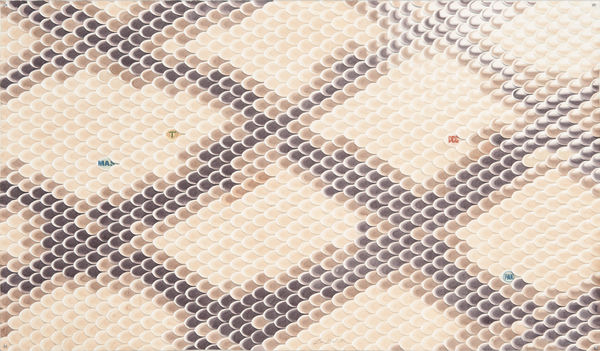
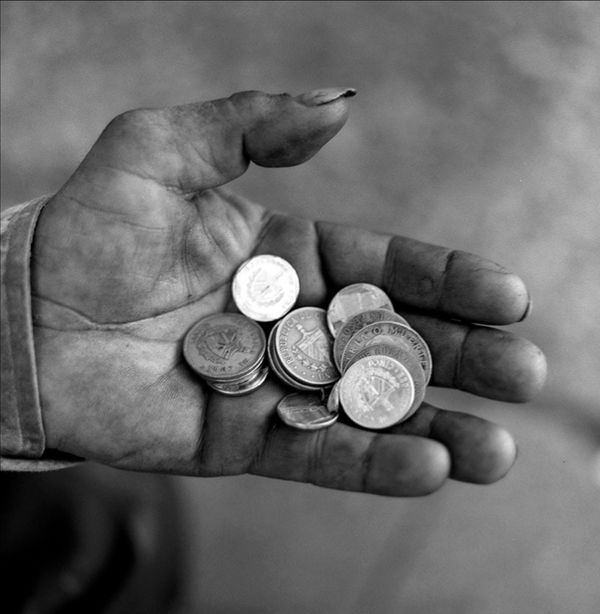
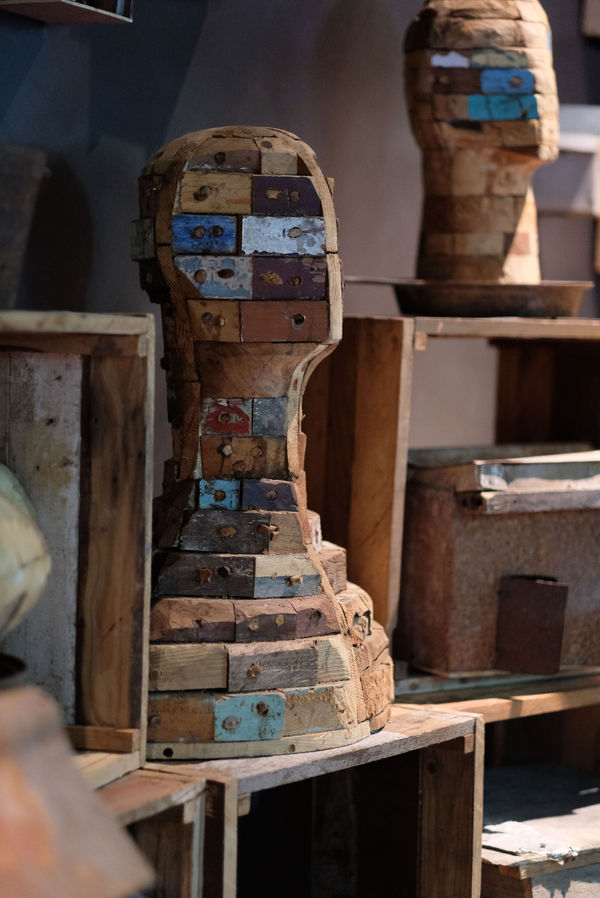
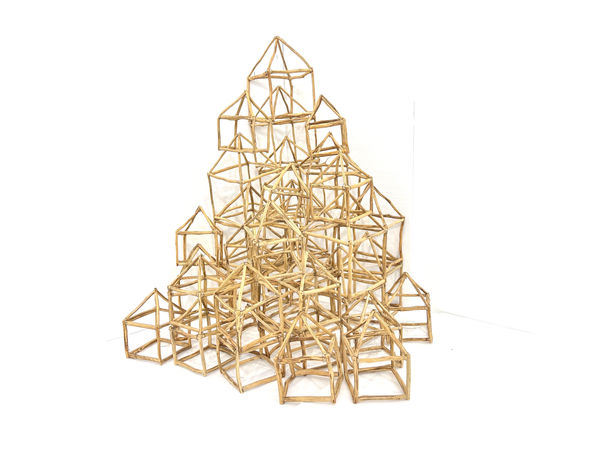
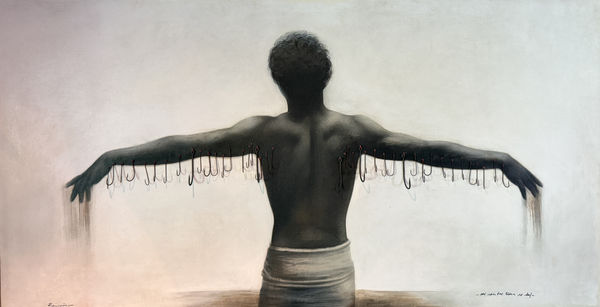
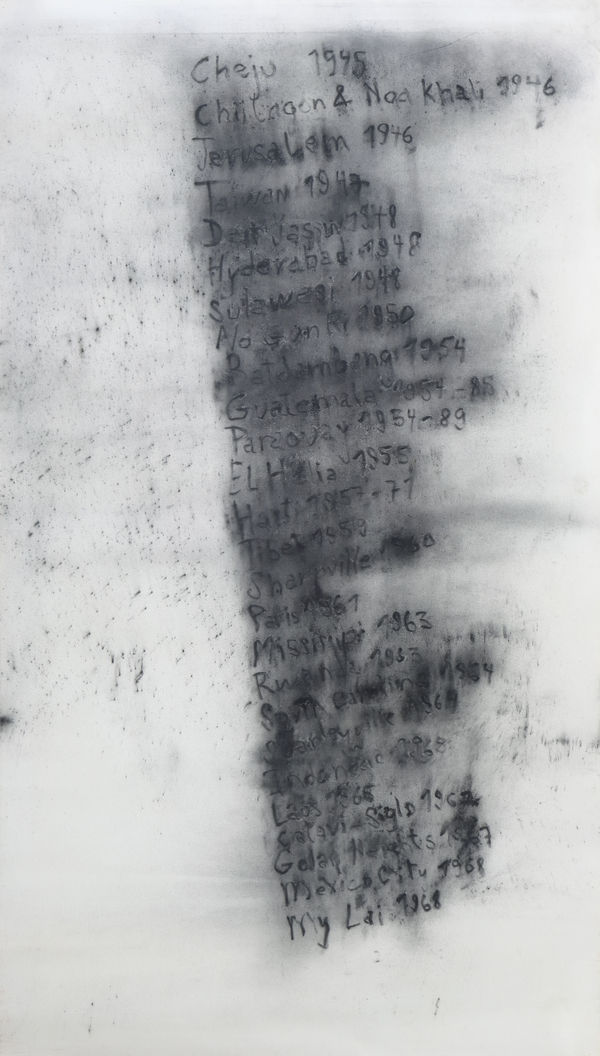
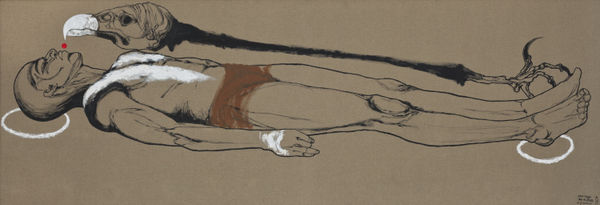
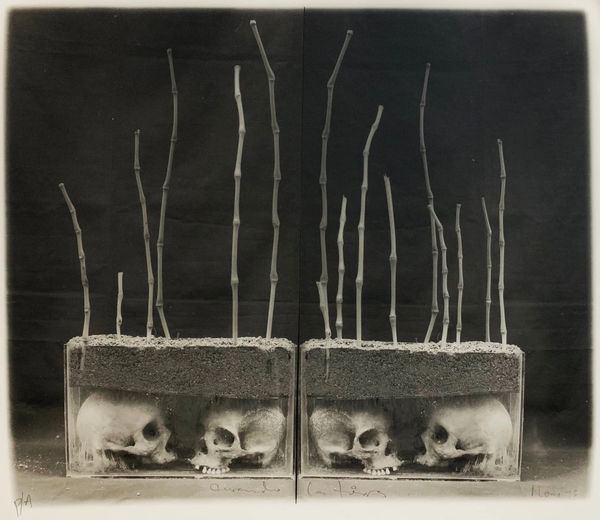
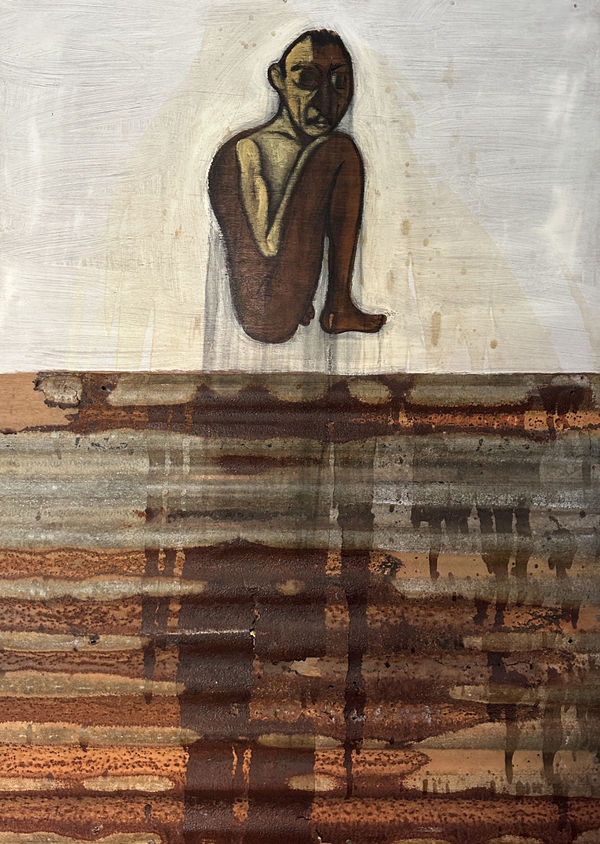
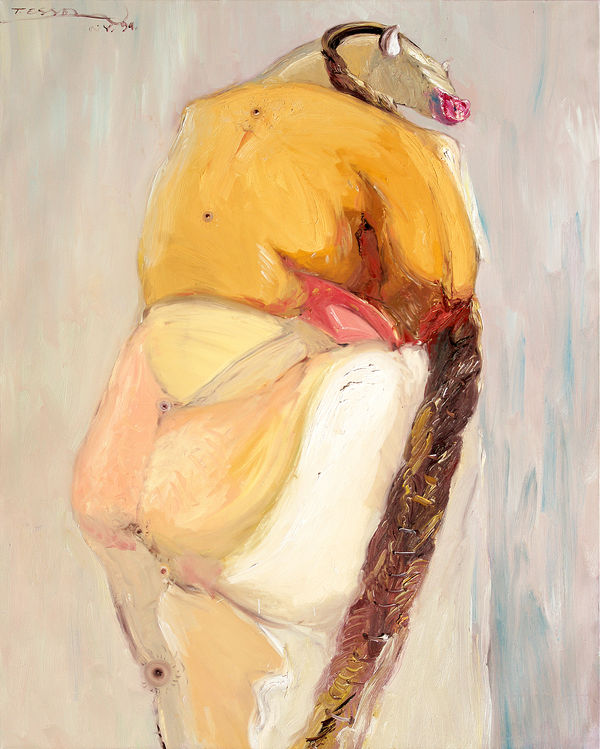
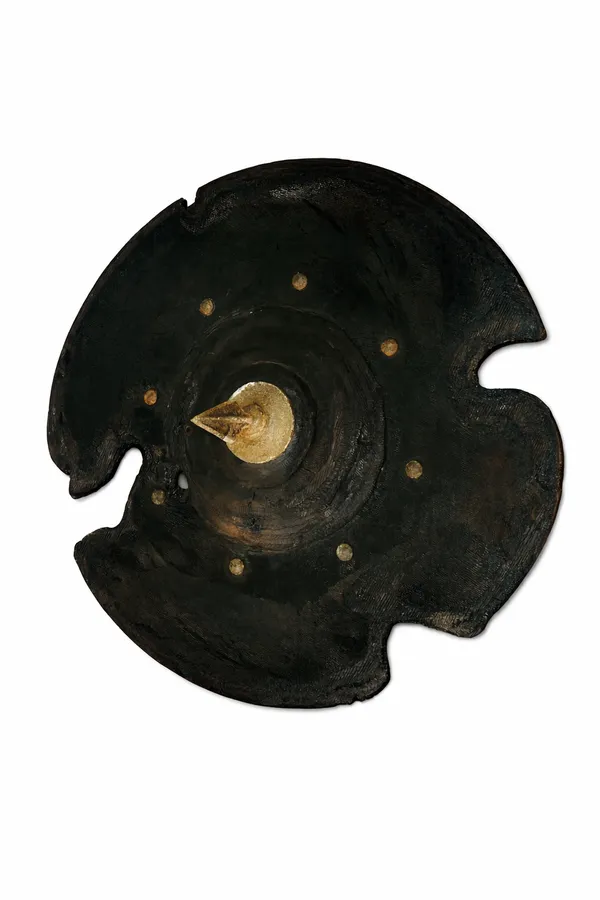
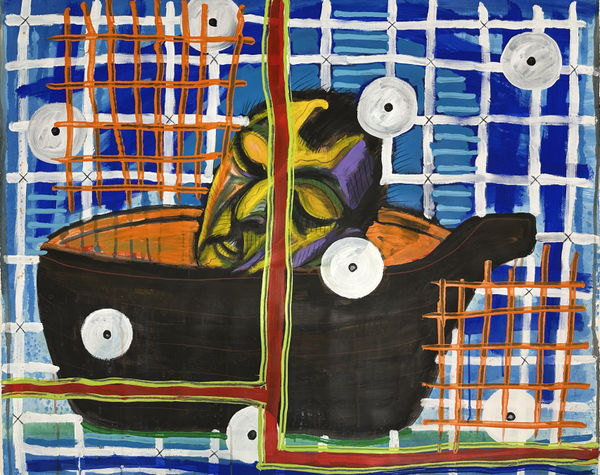
The artworks born from this lineage do not merely illustrate history; they enact its unresolved tensions, materializing the lived dialectics of rupture, scarcity, exile, and quiet dissent that have defined Cuban artistic production. Forged amid the economies of lack, many pieces incorporate found debris—crumpled paper, discarded packaging, rusted metal, or scavenged textiles elevating the ephemeral detritus of daily survival into potent metaphors for memory’s stubborn residue. Blackouts and empty markets find echo in monochromatic palettes, fractured compositions, and installations that demand viewer participation, mirroring the precariousness of existence under constraint. Exile infuses these objects with a doubled vision: the ache of divided belonging rendered through hybrid languages that fuse Havana’s street vernaculars with the visual syntax of Miami or Madrid studios, creating syncretic forms that refuse easy categorization.
Yet these works also navigate the subtler lacerations of institutional vigilance and interior dissent. Irony becomes a veil for lament; Afro-Cuban mythologies—Santería orishas, Abakuá symbols, Palo Monte cosmologies encode the unsayable, layering surfaces with coded narratives that reward close looking. A painting might present hyper-realistic folds of official documents as if they were skin, bruised and creased by censorship; a sculpture could transform revolutionary icons into fragile, collapsible forms that hint at collapse and reinvention; a photographic series might capture the island’s landscapes as both luminous and haunted, their beauty inseparable from the weight of surveillance. In the contemporary heirs featured across The DF Collection, these strategies evolve. Digital communion introduces new porosities hybrid media that collapse distance between island and diaspora—while collective breath stirs beyond official scripts, allowing forms once forged in restraint to open toward unencumbered mapping.
Across media painting, sculpture, installation, photography, and performance—these artworks transmute rather than erase Cuba’s scars. They invite multiple angles of engagement: historical (the legacy of rupture and Special Period survival), formal (the syncretic urgency of conceptual urgency meeting material improvisation), and affective (the quiet insistence on interior freedom amid exterior limits). In their presence, viewers confront not nostalgia or polemic but a luminous, often uneasy elucidation of the island’s realities—poised at liberation’s uncertain dawn, where inherited dolor yields to the possibility of fuller, more radiant expression. Each piece in the collection thus stands as both witness and proposition: a testament to endurance and a quiet prophecy of what Cuban art might yet become when horizons fully loosen.
-
 Antonia Eiriz, Untitled (No Me Pises), ca. 1963-1969
 -
Antonia Eiriz, Untitled (Grito), ca. 1958-1963
-
Yasiel Elizagaray, Untitled (El Hijo), 2026
-
Dagoberto Rodriguez, Santa Barbara, 2025
-
Dagoberto Rodriguez, Cachita, 2024
-
Dagoberto Rodriguez, La Habana Refugee Camp IV, 2024
-
Carlos Quintana, Untitled (Presa), 2022
-
Ernesto Leal, Cremación, 2021
-
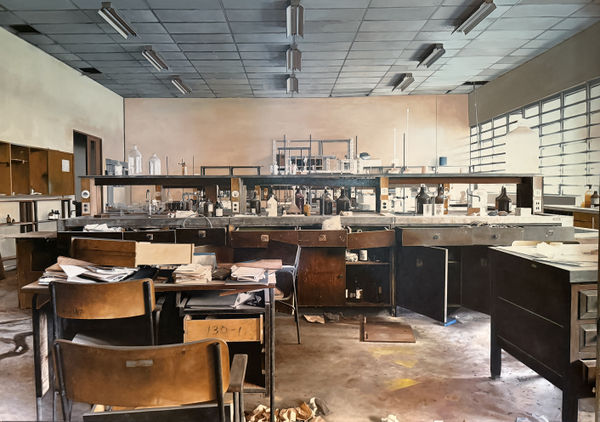
Jose Diego Reina, Laboratorio (Ensayo 1), 2021
-
Ernesto Leal, Handwriting (Fuck off), 2020
-
Ernesto Leal, Handwriting (Goodbye), 2020
-
Reynier Leyva Novo, Lo que es, es lo que ha sido (What it is, What it has been), 2020
-
Jose Manuel Fors, Columna, 2018
-
Jose Manuel Fors, Palimpsesto, 2018
-
Juan Roberto Diago, The Chosen One (El Elegido), 2018
-
Los Carpinteros, Faro Sumergido III, 2017
-
Diana Fonseca, La libertad de la impermanencia, 2017
-
Carlos Quintana, Untitled , 2016-2018
-
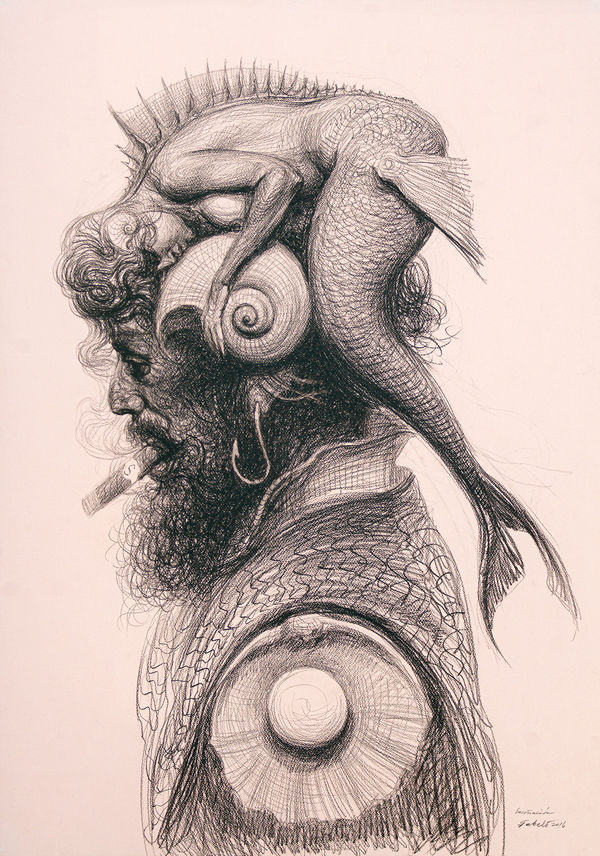
Roberto Fabelo, Ensoñación, 2016
-
Los Carpinteros, Jardín de Concreto V, 2016
-
Los Carpinteros, La Piel II, 2016
-
Ariamna Contino, Tiroteos de Mediodia-Pirineos, N.D., 2016
-
Yoan Capote, Deep Cuts III (Visceral), 2015
-
Yoan Capote, Pride , 2015
-
Juan Roberto Diago, Untitled (La Piel Que Habla), 2014
-
Ernesto Leal, Vida y Obra (Diptych), 2014
-
Yoan Capote, Paranoia (Homenaje Anónimo), 2013
-
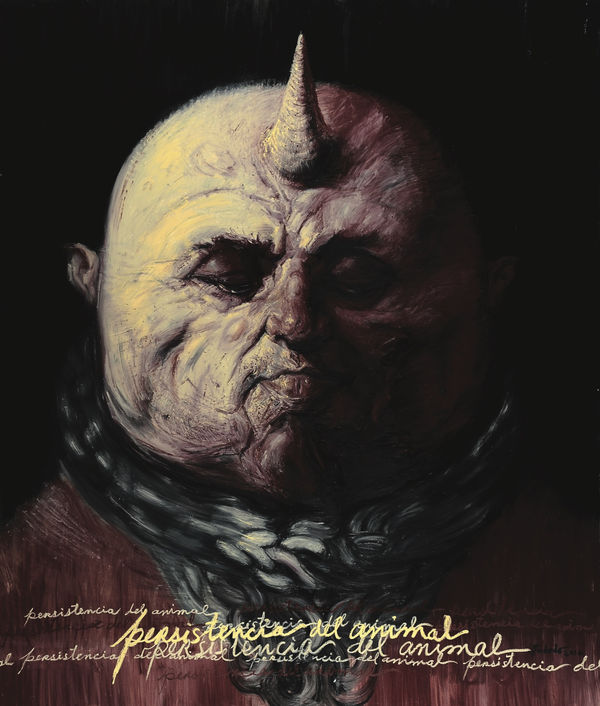
Roberto Fabelo, La Persistencia del Animal, 2012
-
Juan Carlos Alom, República de Cuba, 2012
-
Yoan Capote, Dialogusfobia (Un Nudo en la Garganta),, 2011
-
Yoan Capote, Dogma , 2011
-
Roberto Fabelo, Meditación, 2011
-
Roberto Fabelo, No Somos Animales, 2011
-
Carlos Quintana, Untitled (Voz Interna), 2010
-
Juan Roberto Diago, Barrio Adentro, 2009-2024
-
Juan Roberto Diago, Ciudad Transparente, 2009
-
Carlos Garaicoa, El Mundo De Las Maravillas, 2009
-
Santiago Rodriguez Olazabal, El Soñador Eficaz, 2009
-
Carlos Garaicoa, Louis Vuitton travels with Karl Marx, and we travel with Louis Vuitton, 2009
-
Jose Bedia, Último Deseo De La Bestia, 2009
-
Ernesto Rancaño, Mi Nombre Tiene Sal, 2008
-
Adonis Flores, Carne De Cañon (Cannon Fodder), 2007
-
Los Carpinteros, Lámpara de Noche, 2005
-
Florencio Gelabert Soto, Pistilos, 2004
-
Jose Bedia, Torre del Silencio, 2004
-
Kcho (Alexis Leyva), Untitled, 2003
-
Kcho (Alexis Leyva), Untitled (Remos) - Objetos Peligrosos Series, 2002-2003
-
Tania Bruguera, Untitled (Kassel) , 2002
-
Santiago Rodriguez Olazabal, Y.N.M (Yo Nunca Moriré), 2002
-
Kcho (Alexis Leyva), Untitled, 2001
-
Marta María Pérez, Caballo, 2000
-
Marta María Pérez, Mbele, 2000
-
Jose Manuel Fors, Atados De Memorias Series, 1999-2024
-
Florencio Gelabert Soto, Untitled, 1999
-
Carlos Estevez, La Cité de l’Existence, 1998
-
Tania Bruguera, El peso de la culpa (The weight of guilt), 1997-1999
-
Jose Bedia, Ay Tata, Ampáranos (San Lazaro), 1997
-
Juan Carlos Alom, Culto Obligatorio, 1997
-
Juan Carlos Alom, Curando La Tierra, 1996-1998
-
Kcho (Alexis Leyva), Bote, 1996
-
Rubén Torres Llorca, La Promesa / The Promise, 1996
-
Florencio Gelabert Soto, Untitled, 1996
-
Luis Cruz Azaceta, Waiting (La Espera 1), 1996
-
Rubén Torres Llorca, Man's Plight, 1995
-
Tomas Esson, Rapunzel, 1994
-
Tomas Esson, Retrato IV, 1994
-
Belkis Ayon, Siempre Vuelvo (I Always Return), 1994
-
Florencio Gelabert Soto, Tools, 1994
-
Florencio Gelabert Soto, Escudos de América, 1993
-
Luis Cruz Azaceta, Face / Raft, 1993
-
Jose Bedia, Torre del Perro, 1993
-
Manuel Mendive, Oggun El Guerrero, 1992
-
Manuel Mendive, Sin Titulo (Untitled), 1992